
HomeOur ServicesSocket Grafting

Socket Grafting in NYC to Protect Your Bone and Keep Implants Possible

Save the bone. Hold the shape. Keep your options open.

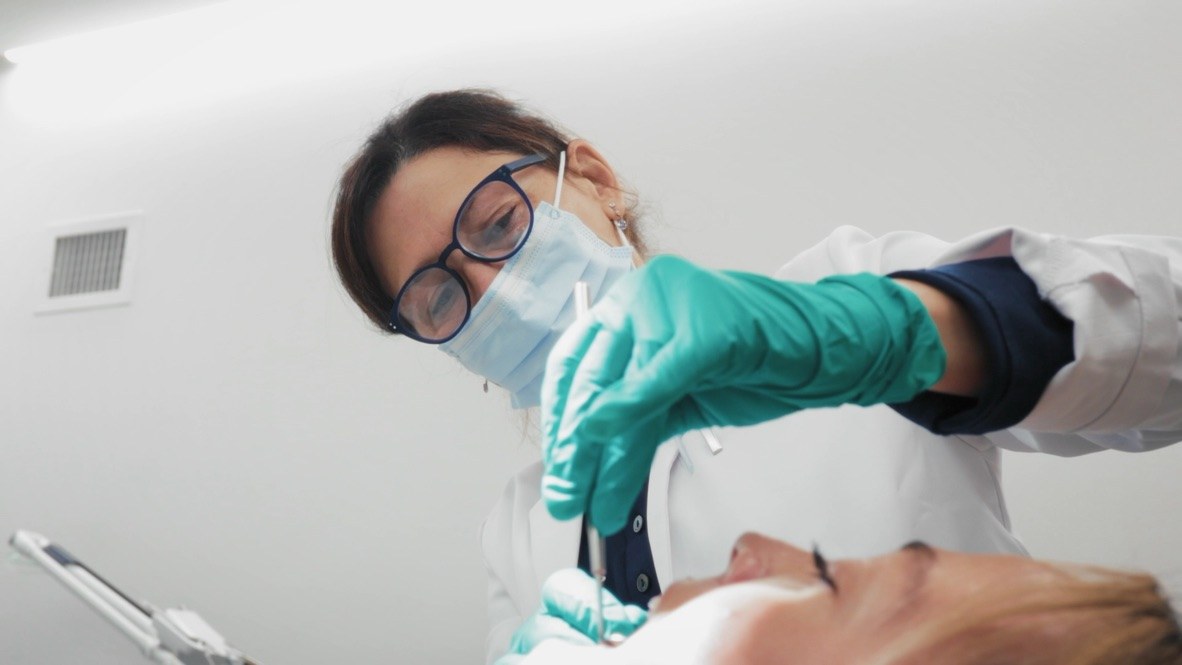
A clinician at work, seen from the patient chair.

Lose a tooth, and your jaw starts to disappear. Extraction leaves an empty socket and your body begins reclaiming the bone that once held your tooth in place. Socket grafting stops that loss before it starts. At Edgard El Chaar, DDS, PC, socket grafting in NYC preserves the bone and shape of your jaw the moment your tooth comes out, so a future implant has a solid place to anchor and your smile keeps its natural contour.

What Is Socket Grafting?

Socket grafting, also called socket preservation or alveolar ridge preservation, protects the bone in your jaw after a tooth is removed. Instead of leaving the empty socket to collapse on its own, we fill it with grafting material that keeps its height and width intact.

The goal is direct. Preserve the bone and gum contour where your tooth used to be, so the site stays ready for a dental implant, a natural-looking replacement, and full function down the road.

Timing is everything and here’s why.

What We Do

Why Bone Loss Happens After Extraction

Bone needs a job. When a tooth sits in your jaw, its root stimulates the surrounding bone and keeps it strong. Remove the tooth, and that stimulation stops. Your body responds the only way it knows how: it starts breaking the bone down.

The numbers are striking. In the first six months after extraction, the jawbone loses <strong>30 to 60% of its original volume</strong>, shrinking in width and height where your tooth used to be.

  • Implants become harder to placeToo little bone leaves no solid foundation to anchor an implant.
  • Aesthetics sufferA collapsed ridge leaves an indentation that makes a replacement tooth look long or unnatural.
  • Function falls shortWithout adequate bone, restoring a strong, dependable bite gets complicated.

Wait too long, and rebuilding that bone means a separate, bigger procedure. Socket grafting prevents the loss instead of chasing it later.


Why Socket Grafting Matters

Prevention beats reconstruction. Grafting the socket at extraction is far simpler than rebuilding a collapsed ridge months later and it keeps every future option on the table.

Here's what preserving the socket protects:

  • Your implant candidacyEnough bone stays in place to anchor an implant when you're ready.
  • Your aestheticsThe natural contour of your gums and jaw holds, so a replacement tooth looks proportional.
  • Your functionA preserved ridge supports a stronger, more dependable final restoration.
  • Your timeline and costPreserving bone now avoids the added time and expense of major grafting later.

One step at extraction. A world of difference for what comes next.

How the Socket Grafting Procedure Works

Socket grafting happens at the time of your extraction, not weeks later. The moment your tooth comes out, we go to work preserving the site. It's careful, precise work, and we treat it that way.

Here's how it unfolds.

  1. Removing the Tooth

    We start with the extraction itself. Once the tooth is out, we have direct access to the empty socket that needs preserving.

  2. Elevating the Gum

    When needed, we gently elevate the gum tissue away from the bone. This gives us clean access to the full socket and the ridge around it.

  3. Cleaning the Socket

    We thoroughly clean the socket, mechanically with curettes to clear out any remaining tissue, then chemically to disinfect the site. A clean socket sets the foundation for proper healing.

  4. Rinsing the Site

    We rinse the socket thoroughly with sterile saline water. This flushes the area and prepares it for the graft.

  5. Packing the Graft

    We pack the socket with bone grafting material. This graft fills the space your tooth left behind and preserves the height and width of the ridge.

  6. Placing the Barrier Membrane

    We place a resorbable collagen barrier membrane over the graft. The membrane protects the grafting material and guides your tissue to heal the right way.

  7. Closing the Wound

    Finally, we close the wound over the barrier membrane and let healing take over. Over the coming months, the graft develops into solid, implant-ready bone.

What's Included in Your Socket Grafting Treatment

We handle your care from extraction through preservation in one coordinated step. Here's what your treatment covers:

  • The extractionCareful removal of the tooth being replaced.
  • A thorough cleaningMechanical and chemical cleaning of the socket, followed by a sterile saline rinse.
  • The bone graftGrafting material packed into the socket to preserve height and width.
  • The barrier membraneA resorbable collagen membrane placed to protect the graft and guide healing.
  • A clear planPlain-language guidance on what to expect during healing and what comes next.

What the Research Says

Socket grafting is backed by evidence, not just intuition. A 2015 Cochrane study, one of the most rigorous forms of medical review, examined how socket preservation compares to extraction without it.

Here's what the research found:

  • Better bone dimensionsThe study found evidence that socket preservation improves the height and width of the ridge compared to extraction without preservation.
  • Honest limitsThe same review concluded there's insufficient data to say socket preservation decreases implant failures, improves aesthetics, or that one grafting material outperforms another.

We believe you deserve the full picture. Socket grafting has proven benefits for preserving bone dimensions, and we'll explain honestly where the evidence stands for your case.

Your Care Team

Periodontists at Edgard El Chaar

Periodontists specialize in the gum and bone that support your teeth. These are the doctors who provide this treatment here.

Each profile covers the doctor’s training, credentials and areas of focus.

View all doctors

The Practice

Why Choose Edgard El Chaar, DDS, PC

Periodontal specialists

Focused expertise in preserving bone and preparing sites for implants.

Prevention-first care

We protect your bone at extraction rather than rebuilding it later.

Precise technique

Careful cleaning, grafting, and membrane placement at every step.

Honest guidance

We explain what the evidence supports and set clear expectations.

A foundation built to last

We preserve the site the right way so your future implant succeeds.

Common Questions

Frequently asked questions

Every mouth is different. At your consultation, we answer your questions about your own case.

Book a Consultation

Socket grafting—also called socket preservation or alveolar ridge preservation—is a procedure that protects the bone in your jaw after a tooth is removed. We fill the empty socket with bone grafting material and cover it with a barrier membrane. This preserves the height and width of the ridge, keeping the site ready for a dental implant and a natural-looking replacement.

When a tooth is removed, its root no longer stimulates the surrounding bone. Without that stimulation, your body begins breaking the bone down. In the first six months after extraction, the jaw loses 30 to 60% of its original bone volume—shrinking in both width and height where the tooth used to be.

A dental implant needs enough healthy bone to anchor into. When the socket collapses after extraction, there may not be enough bone left to place an implant securely. Bone loss also creates an indentation that compromises how a replacement tooth looks and functions. Socket grafting preserves the bone so these problems never start.

Socket grafting is completed at the time of your extraction—not as a separate appointment later. As soon as the tooth is removed, we clean and preserve the socket in the same visit. This is what makes it so effective: it prevents bone loss before it happens rather than reversing it afterward.

After removing the tooth, we elevate the gum from the bone if needed, then clean the socket mechanically with curettes and chemically to disinfect it. We rinse it thoroughly with sterile saline water, pack it with bone grafting material, and place a resorbable collagen barrier membrane over the graft. Finally, we close the wound over the membrane and let healing take place.

The resorbable collagen barrier membrane is placed over the bone graft to protect it and guide your tissue to heal correctly. Because it's resorbable, your body absorbs it naturally over time—there's no need for a second procedure to remove it. It's a key part of preserving the graft while the site heals.

We prioritize your comfort throughout the procedure. The area is numbed during the extraction and grafting, and most patients manage any discomfort afterward with simple care. Because grafting is done at the same time as your extraction, you don't add a separate surgical appointment. We'll give you clear aftercare instructions so healing goes smoothly.

A 2015 Cochrane study found evidence that socket preservation improves the height and width of the ridge compared to extraction without it. The same review also concluded there's insufficient data to say it decreases implant failures, improves aesthetics, or that one grafting material is better than another. In short: socket grafting has clear, proven benefits for preserving bone dimensions.

According to the 2015 Cochrane review, there isn't enough data to conclude that one grafting material outperforms another. What matters most is preserving the height and width of your ridge. At your consultation, we'll explain the material we recommend for your case and why it fits your situation.

It's worth considering. Most bone loss happens in the first six months after extraction—well before many people are ready for an implant. Grafting the socket now preserves the bone so the option stays open later, even if you're not sure yet. It's far simpler to preserve bone than to rebuild it after it's gone.

The grafted socket develops into solid bone over the months following your extraction. Your exact timeline depends on your case and how the site heals. We'll evaluate your progress and map out the right time for implant placement—so you know what to expect at every step.

Start with a consultation. If you have an extraction coming up, we'll explain how socket grafting can preserve your bone in the same visit. We'll evaluate your situation, discuss your options, and build a clear plan that protects your jaw and keeps a future implant possible—so you know exactly what to expect before we begin.

Appointments

Take the First Step Toward Protecting Your Jaw

An extraction doesn't have to mean losing the bone that supports your smile. Book a consultation and let us evaluate your situation, explain your options, and build a plan that preserves your socket and keeps a future implant possible.

Socket GraftingEdgard El Chaar, DDS, PC Book a Consultation