
HomeOur ServicesEndodontic Treatment

Endodontic Treatment (Root Canal) in NYC

Save the tooth. Stop the pain. Protect your smile.

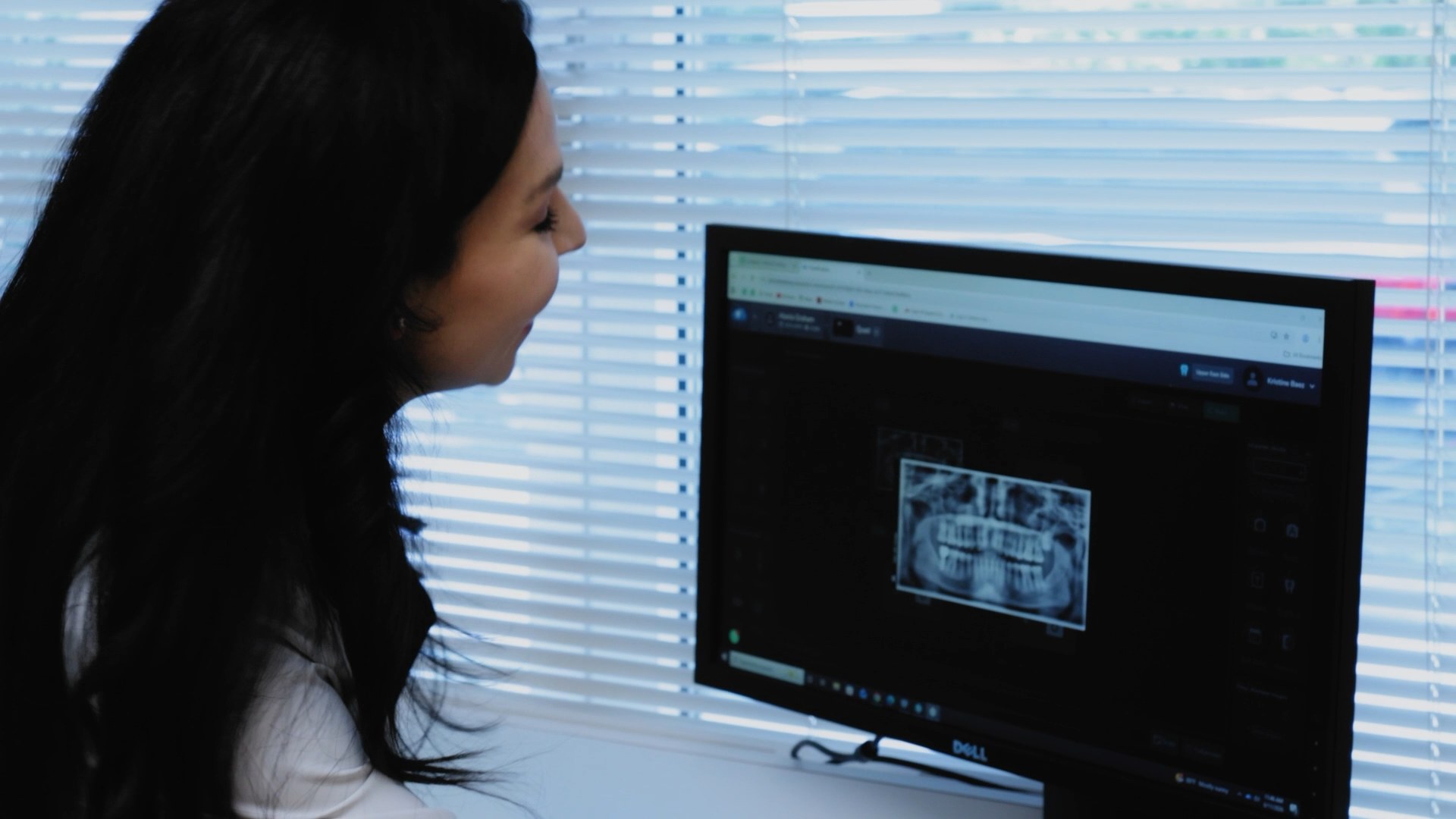
A clinician reviewing an X-ray on screen.

An infected tooth doesn’t have to be a lost tooth. Root canal therapy saves it. At Edgard El Chaar, DDS, PC, we clear out the infection, seal the tooth, and give you back a natural tooth that works, feels comfortable, and lasts for years.

What Is Endodontic Treatment?

Endodontic treatment, commonly known as a root canal, treats the infected pulp inside a tooth. It’s a precise sequence designed to do two things: eliminate the infection and protect the cleaned tooth from future bacterial invasion.

The goal is simple. Keep your natural tooth in place instead of pulling it out. Root canal therapy makes that possible, even when infection has reached deep inside.

Here’s what’s happening inside the tooth and why it matters.

What We Do

What the Dental Pulp Contains

Every tooth holds a soft core beneath the hard outer layers. That core lives in hollow spaces called the root canals and the pulp chamber.

These spaces are home to living tissue:

  • Nerve tissueThe nerves that give your tooth sensation.
  • Blood vesselsThe supply that nourishes the tooth from the inside.
  • Other cellular entitiesThe living cells that make up the rest of the pulp.

Together, these make up the dental pulp, the vital tissue at the heart of your tooth. When that pulp gets infected, the whole tooth is at risk.


Why You Need a Root Canal

Infection changes everything. When bacteria reach the pulp, the nerve tissue, blood vessels, and cells inside get damaged. The infection spreads, the pain builds, and the tooth's survival hangs in the balance.

Left alone, an infected pulp gets worse, never better. The pain intensifies. The infection can spread beyond the tooth. And eventually, the tooth may be lost entirely.

The Root Canal Treatment Process

A root canal is careful, methodical work and we treat it that way. Each step targets the infection and protects what's left.

Here's how it unfolds.

  1. Removing the Infected Pulp

    We start by removing the pulp, the nerve tissue, blood vessels, and cellular structures inside the tooth. Once the infected tissue is out, the source of the pain and infection goes with it.

  2. Disinfecting, Shaping, and Cleaning

    With the pulp gone, we clean the hollow spaces inside the tooth. Using small files and irrigating solutions, we shape the canals, disinfect every surface, and decontaminate the space thoroughly. Nothing is left behind for bacteria to feed on.

  3. Filling and Sealing the Canals

    Once the canals are clean and dry, we fill them. We use gutta-percha, an inert, biocompatible material, to seal the decontaminated space. In many procedures, we bind it with a zinc oxide eugenol-based cement for a tight, lasting seal.

    This obturation step closes the tooth off from future microbial invasion. Infection out. Tooth sealed. Job done right.

The Benefits of Saving Your Tooth

A root canal does more than end the pain. It protects everything a natural tooth gives you.

  • Keep your natural toothNo extraction, no gap, no replacement needed.
  • End the infectionWe remove the source of the pain and stop it from spreading.
  • Protect your biteYour natural tooth stays in place, keeping your bite balanced.
  • A lasting sealGutta-percha and cement close the tooth against future bacteria.
  • A natural look and feelYour own tooth functions and looks the way it always has.

Saving a tooth beats replacing one. A root canal makes it possible.

Who Endodontic Treatment Is For

Root canal therapy is the right call when infection reaches the pulp. You may need it if you're dealing with:

  • Deep decayCavities that have reached the nerve inside the tooth.
  • Persistent tooth painAching, throbbing, or sensitivity that won't quit.
  • A cracked or damaged toothInjury that exposes the pulp to bacteria.
  • An abscess or swellingSigns that infection has taken hold inside the tooth.

If any of these sound familiar, don't wait. Early treatment saves teeth. Delay puts them at risk.

Your Care Team

Endodontists at Edgard El Chaar

Endodontists specialize in treating the inside of the tooth. These are the doctors who provide this treatment here.

Each profile covers the doctor’s training, credentials and areas of focus.

View all doctors

The Practice

Why Choose Edgard El Chaar, DDS, PC

Tooth-saving focus

We treat infection to preserve your natural tooth, not replace it.

Precise technique

Careful cleaning, shaping, and sealing at every step.

Proven materials

Gutta-percha and zinc oxide eugenol-based cement for a lasting seal.

A comfortable experience

We prioritize your comfort throughout treatment.

A clear plan

We explain what's happening and why, before we begin.

An infected tooth is serious. Trust it to a team that treats it that way.

Common Questions

Frequently asked questions

Every mouth is different. At your consultation, we answer your questions about your own case.

Book a Consultation

A root canal, or endodontic treatment, removes the infected pulp from inside a tooth. It clears out the nerve tissue, blood vessels, and cells that make up the pulp, then disinfects, shapes, and seals the hollow spaces. The goal is to eliminate the infection and protect the tooth from future bacteria—so you keep your natural tooth.

You need a root canal when the pulp inside your tooth becomes infected. That usually comes from deep decay, a crack, or injury that lets bacteria reach the nerve. Without treatment, the infection worsens, the pain grows, and the tooth may be lost. A root canal stops the infection and saves the tooth.

The dental pulp is the soft, living core inside your tooth. It fills the root canals and pulp chamber, and it contains nerve tissue, blood vessels, and other cellular entities. When this pulp gets infected, it needs to be removed to save the tooth.

The infection causes the pain—not the treatment. A root canal actually relieves it. We prioritize your comfort throughout the procedure, and we'll give you clear aftercare instructions so recovery goes smoothly. Most patients feel far better once the infected pulp is gone.

We remove the infected pulp, then clean the inside of the tooth. Using small files and irrigating solutions, we shape, disinfect, and decontaminate the canals. Once they're clean, we fill them with gutta-percha—an inert sealing material—often bound with a zinc oxide eugenol-based cement. This seals the tooth against future infection.

Gutta-percha is an inert, biocompatible material used to fill and seal the cleaned root canals. Once the canals are disinfected, we pack them with gutta-percha—often bound with a zinc oxide eugenol-based cement—to close the space and protect the tooth from future bacterial invasion.

Saving your natural tooth is almost always the better choice. It keeps your bite balanced, avoids a gap, and skips the need for a replacement. A root canal removes the infection while preserving the tooth you already have—which functions and looks like your own, because it is.

An infected pulp gets worse over time. The pain intensifies, the infection can spread beyond the tooth, and eventually the tooth may need to be extracted. Treating it early with a root canal stops the spiral and gives you the best chance of keeping your tooth.

Common signs include persistent tooth pain, sensitivity that won't fade, deep decay, a cracked tooth, or swelling and abscess near the gum. If any of these sound familiar, get checked soon. The earlier we treat it, the better the outcome.

Start with a consultation. We'll examine your tooth, confirm whether the pulp is infected, and explain your options clearly. From there, we'll build a treatment plan that saves your tooth and ends the pain—so you know exactly what to expect before we begin.

Appointments

Take the First Step Toward a Pain-Free Smile

Tooth pain and infection don't heal on their own, but they respond to expert care. Book a consultation and let us examine your tooth, explain your options, and build a plan that saves it.

Endodontic TreatmentEdgard El Chaar, DDS, PC Book a Consultation