
HomeOur ServicesGum Graft Surgery

Gum Graft Surgery in NYC to Cover Exposed Roots and Restore Your Gumline

Cover the roots. Restore the line. Protect your smile.

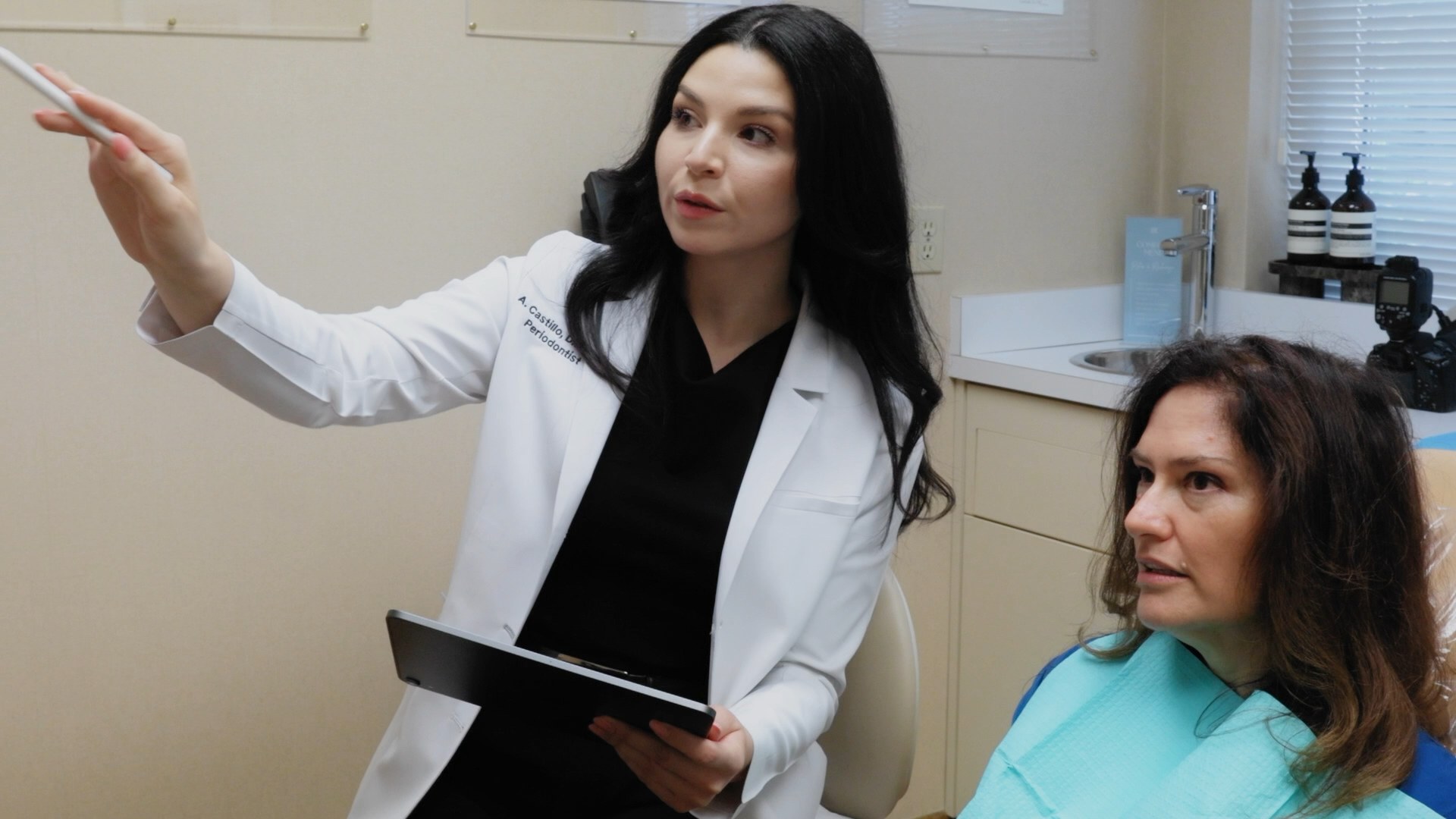
A clinician holding a tablet, explaining to a patient.

Receding gums don’t heal on their own, but they can be repaired. When gum recession exposes your tooth roots, gum graft surgery restores the tissue you’ve lost, protects the roots left vulnerable, and rebuilds an even, healthy gumline. At Edgard El Chaar, DDS, PC, we cover exposed roots, stop recession in its tracks, and give you back a smile that feels comfortable and looks whole.

What Is Gum Graft Surgery?

Gum graft surgery repairs the damage left by gum recession. When your gums pull back and expose the tooth root, a graft restores healthy tissue over that exposed surface, covering the root and rebuilding the gumline.

The idea is straightforward. We take gum tissue from your palate or another donor source and place it where recession stripped it away. This can be done for a single tooth or several, evening out your gumline and reducing sensitivity along the way.

Repair the defect. Prevent further loss. That’s what a gum graft delivers.

What We Do

What Causes Gum Recession?

Exposed tooth roots almost always trace back to one thing: gum recession. But recession itself has several causes and knowing yours helps us treat the problem the right way.

The most common culprits:

  • Periodontal diseaseGum disease destroys the tissue and bone that support your teeth, pulling the gumline back over time.
  • Aggressive brushingScrubbing too hard or with a stiff brush wears the delicate gum tissue away.
  • TraumaInjury to the gums can damage the tissue and trigger recession.

Whatever the cause, the result is the same. Your gums retreat, your roots become exposed, and the recession keeps advancing unless something stops it. A gum graft does exactly that.


Why Exposed Roots Are a Problem

Exposed roots are more than a cosmetic concern. When recession uncovers the root surface, it creates real problems for your comfort, your health, and your smile.

Here's what's at stake:

  • SensitivityExposed roots lack the protective enamel that covers the rest of your tooth, so hot, cold, and sweet foods can trigger discomfort.
  • Decay riskThe root surface is more vulnerable to decay once it's no longer protected by gum tissue.
  • Ongoing recessionLeft untreated, recession tends to continue, exposing more root and threatening the bone beneath.
  • An aged appearanceTeeth look longer than they should, which can make you look older than you are.

The longer exposed roots go untreated, the more they put your teeth at risk. Grafting stops the cycle and shields what recession left bare.

Types of Gum Grafts We Offer

Not every case calls for the same graft. We offer several proven techniques and match the right one to your needs, your recession, your comfort, and your goals.

  1. Subepithelial Connective Tissue Graft

    This is the gold standard for treating gum recession. In fact, the 2015 American Academy of Periodontology Regeneration Workshop named it exactly that, backed by a well-documented success rate spanning more than 30 years.

    Here’s how it works and why patients love it:

    Proven for decades. Natural in appearance. A reliable choice for lasting coverage.

    • Tissue from your palateWe remove tissue fairly painlessly from the inner layer of your palate and relocate it to the site of recession.
    • Thicker, natural resultsThe grafted tissue becomes thicker and matches the surrounding gums in both texture and color.
    • Fast initial healingEarly healing happens in about a week.
  2. Acellular Dermal Matrix Allograft

    Prefer to skip the palate donor site? This technique makes that possible. Instead of taking tissue from your mouth, it uses medically processed, donated human tissue as the graft source.

    The big advantage:

    Same goal, gentler path. Ideal for patients who want root coverage with less discomfort.

    • No palate donor siteBecause the graft comes from donor tissue, there's no need to remove tissue from your palate.
    • Less painSkipping the donor site means a more comfortable experience for many patients.
  3. Chao Pinhole® Surgical Technique

    For a minimally invasive option, the Chao Pinhole® Surgical Technique offers a modern approach with no cutting and no donor tissue.

    Here’s what sets it apart:

    Small entry. Big results. A gentle option for covering exposed roots.

    • Tiny pinhole accessWe make small holes in the gum tissue with a needle—no scalpel, no sutures.
    • Guided repositioningUsing specially designed instruments, we loosen the gum tissue and guide it over the receded part of the tooth.
    • No palatal donor tissueNothing needs to be taken from your palate at all.

The Benefits of Gum Graft Surgery

A gum graft does more than cover a root. It protects your health and transforms your smile at the same time and most patients walk away with both.

What you gain:

  • Reduced recessionGrafting helps prevent additional gum recession and the bone loss that follows.
  • Covered rootsExposed roots are restored, protecting them from decay.
  • Less sensitivityCovering the vulnerable root surface can ease the sensitivity that made eating and drinking uncomfortable.
  • Improved aestheticsAn even gumline gives you a more balanced, natural-looking smile.
  • Better periodontal healthWhether you graft for function or looks, you protect the long-term health of your gums.

Whether your goal is comfort, appearance, or both, patients often receive the benefits of both together, a beautiful new smile and improved periodontal health. Those are your keys to smiling, eating, and speaking with comfort and confidence.

Your Care Team

Periodontists at Edgard El Chaar

Periodontists specialize in the gum and bone that support your teeth. These are the doctors who provide this treatment here.

Each profile covers the doctor’s training, credentials and areas of focus.

View all doctors

The Practice

Why Choose Edgard El Chaar, DDS, PC

Periodontal specialists

Focused expertise in diagnosing recession and restoring your gumline with precision.

Multiple graft techniques

From the gold-standard connective tissue graft to allografts and the minimally invasive pinhole technique, we match the method to you.

A comfort-first approach

We offer options that reduce donor-site discomfort wherever your case allows.

Natural-looking results

We restore tissue that blends in texture and color for a seamless smile.

A clear plan

We explain your recession, your options, and your path forward before we begin.

Repairing your gumline is delicate work. Trust it to a team that treats it that way.

Common Questions

Frequently asked questions

Every mouth is different. At your consultation, we answer your questions about your own case.

Book a Consultation

Gum graft surgery repairs the damage caused by gum recession. It restores healthy tissue over an exposed tooth root using tissue from your palate or another donor source. The procedure covers the exposed root, evens out your gumline, and reduces sensitivity. It can be done for a single tooth or several teeth at once.

Gum recession has several common causes. Periodontal disease destroys the tissue and bone supporting your teeth, pulling the gumline back. Overly aggressive brushing wears away delicate gum tissue over time. And trauma or injury to the gums can trigger recession too. Identifying your cause helps us treat the problem the right way.

Exposed roots create real trouble. The root surface lacks the protective enamel that covers the rest of your tooth, so it's more prone to sensitivity and decay. Recession also tends to continue if untreated, exposing more root and threatening the bone beneath. On top of that, exposed roots make teeth look long, which can age your smile.

We offer several proven options. The subepithelial connective tissue graft—the gold standard—uses tissue from your palate for natural, lasting results. The acellular dermal matrix allograft uses donated tissue, so there's no palate donor site. And the Chao Pinhole® Surgical Technique is a minimally invasive option that needs no cutting and no donor tissue at all.

It depends on your recession, your comfort preferences, and your goals. The connective tissue graft is a reliable, well-documented choice. The allograft appeals to patients who want to avoid a palate donor site. The pinhole technique suits those looking for a minimally invasive approach. At your consultation, we'll examine your gums and recommend the best fit.

We prioritize your comfort throughout the procedure. The area is numbed during treatment, and certain techniques—like the allograft and the pinhole method—avoid a palate donor site to reduce discomfort. With the connective tissue graft, tissue is removed from the palate fairly painlessly. We'll give you clear aftercare instructions so recovery goes smoothly.

Recovery is typically straightforward. With a connective tissue graft, initial healing happens in about a week. Your gums need time to fully settle and integrate, and we'll guide you through aftercare—including how to keep the area clean and comfortable while it heals. Follow the instructions, and you'll support the best possible outcome.

Yes. With a connective tissue graft, the relocated tissue becomes thicker and matches the surrounding gums in both texture and color. Our goal with every technique is a result that blends seamlessly into your smile—restoring an even, natural-looking gumline rather than a patched-together appearance.

Often, yes. Much of the sensitivity from recession comes from the exposed root surface, which lacks protective enamel. By covering that root, a gum graft can reduce the sensitivity that made hot, cold, or sweet foods uncomfortable—making everyday eating and drinking more pleasant.

No. While a graft dramatically improves how your smile looks, it also protects your health. Covering exposed roots shields them from decay, reduces sensitivity, and helps prevent further recession and bone loss. Most patients receive both benefits at once—a better-looking smile and stronger periodontal health.

If you have gum recession with exposed roots, sensitivity, or a gumline that looks uneven, you may be a strong candidate. A graft can help whether your goal is function, appearance, or both. The best way to know is a consultation, where we'll assess your recession and recommend the right approach.

Start with a consultation. We'll examine your gums, identify the cause of your recession, and explain your graft options clearly. From there, we'll build a treatment plan that covers your exposed roots and protects your smile for the long term—so you know exactly what to expect before we begin.

Appointments

Take the First Step Toward a Healthier Gumline

Exposed roots and receding gums don't reverse on their own, but they respond to expert care. Book a consultation and let us examine your gums, explain your graft options, and build a plan that covers your roots and protects your smile.

Gum Graft SurgeryEdgard El Chaar, DDS, PC Book a Consultation