
HomeOur ServicesRidge Augmentation

Ridge Augmentation in NYC to Rebuild Your Jaw and Make Implants Possible

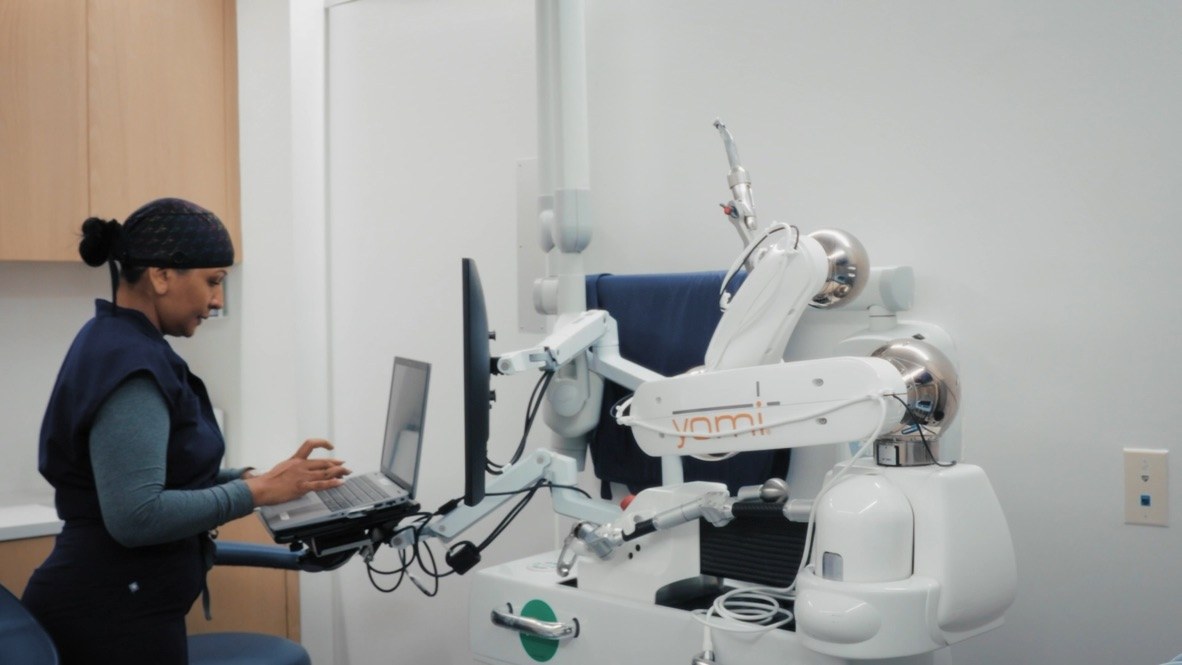
A team member working at a planning station.

Missing bone doesn’t have to mean missing options. When a defect in your upper or lower jaw leaves you without enough bone for an implant, ridge augmentation rebuilds it. At Edgard El Chaar, DDS, PC, we restore the bone and contour your jaw is missing, so implants have a solid place to anchor and your smile looks whole again.

What Is Ridge Augmentation?

Ridge augmentation, also called ridge modification, rebuilds the bone in your jaw where it’s fallen short. It fills in defects that would otherwise leave you without enough bone to place a dental implant.

The goal is direct. Restore the height, width, and natural shape of your jaw ridge, so implants have solid bone to hold and your smile keeps its natural contour. It’s a proven procedure that turns “there’s not enough bone” into “let’s move forward.”

Here’s why those defects happen in the first place.

What We Do

Why Jaw Deformities Happen

Bone loss in the jaw doesn't come from nowhere. Several things can leave you with an inadequate ridge and an unattractive indentation near the missing teeth.

The common culprits:

  • Periodontal diseaseGum disease destroys the bone that supports your teeth, thinning the ridge over time.
  • Wearing denturesLong-term denture wear can wear down the underlying bone.
  • Developmental defectsSome people are simply born with less bone in certain areas.
  • Injury or traumaA blow to the jaw or a difficult extraction can damage the bone that's left.

Whatever the cause, the result is the same. Too little bone to place an implant and an indentation in the jawline that's hard to clean and harder to hide. Ridge augmentation corrects both.


How the Ridge Augmentation Procedure Works

Rebuilding bone is precise, methodical work, and we handle it that way. The idea is simple: expose the defect, fill it, and let new bone grow.

Here's how it unfolds.

  1. Exposing the Defect

    We lift the gum away from the ridge to expose the bony defect. This gives us direct access to the area that needs rebuilding.

  2. Filling the Defect

    We fill the defect with bone or a bone substitute to build the ridge back up. This is the graft material that regenerates the lost bone and tissue.

  3. Closing and Healing

    We close the incision and let healing take over. Over the coming months, the graft develops into solid, implant-ready bone.

Your Bone Graft Options

The graft material does the heavy lifting as it's what regenerates lost bone and tissue. And you have choices.

Several graft materials can rebuild your ridge, each with its own advantages. During your consultation, we'll explain your options in plain language and recommend the one that fits your case and your goals.

  • Clear guidanceWe walk you through each graft material and what it means for your treatment.
  • A recommendation you understandNo jargon, no guesswork—just a plan that makes sense.
  • Regeneration that worksThe right graft rebuilds lost bone and tissue to support your implant.

Healing Timeline and Implant Placement

Bone doesn't grow overnight, and that's a good thing. Strong, implant-ready bone takes time to develop the right way.

Here's what to expect:

  • 4 to 12 months of bone developmentDepending on your needs, the grafted bone usually develops over this window before implants go in.
  • A timeline built around youYour exact schedule depends on your case, and we'll map it out before we begin.

Placing the Implant at the Same Time

Waiting isn’t always the only option. In some cases, we place the implant at the same time we modify the ridge, combining two steps into one.

Whether that’s possible comes down to your bone. We’ll evaluate your jaw carefully and tell you honestly what your options are. Fewer procedures where possible. A clear answer either way.

The Aesthetic and Functional Benefits

Ridge augmentation delivers on two fronts—looks and function. It doesn't just make implants possible. It makes them better.

What you gain:

  • A natural jawlineRebuilding the ridge fills in the unnatural indentation left by bone loss.
  • A better-looking replacementA restored ridge lets a new tooth look proportional, not oversized.
  • A clean, healthy resultYour new tooth ends up natural looking, easy to clean, and beautiful.
  • Higher implant successA solid ridge greatly increases your chances of implants that last for years.
  • Stronger functionRidge modification enhances your restorative success both aesthetically and functionally.

Rebuild the foundation, and everything above it looks and works right.

Your Care Team

Periodontists at Edgard El Chaar

Periodontists specialize in the gum and bone that support your teeth. These are the doctors who provide this treatment here.

Each profile covers the doctor’s training, credentials and areas of focus.

View all doctors

The Practice

Why Choose Edgard El Chaar, DDS, PC

Bone-building expertise

Ridge augmentation performed with precision and care.

Honest evaluation

We tell you exactly what your jaw needs and what your options are.

Graft material guidance

Clear choices explained in plain language, with a recommendation you trust.

Streamlined when possible

Simultaneous implant placement when your bone allows it.

A foundation built to last

We rebuild bone the right way so your implants succeed long-term.

Common Questions

Frequently asked questions

Every mouth is different. At your consultation, we answer your questions about your own case.

Book a Consultation

Ridge augmentation, also called ridge modification, is a procedure that rebuilds bone in the jaw where a defect has left it inadequate. We lift the gum, fill the defect with bone or bone substitute, and close the incision. Over several months, the graft develops into solid bone strong enough to support a dental implant—while restoring your jaw's natural contour.

You may need it when a deformity in your upper or lower jaw leaves you without enough bone to place an implant. These defects come from periodontal disease, long-term denture wear, developmental defects, or injury and trauma. Besides making implant placement difficult, the defect creates an unattractive indentation in the jawline. Ridge augmentation corrects both.

Several things. Periodontal disease destroys the bone that supports your teeth. Long-term denture wear can wear the bone down. Some people are born with developmental defects that leave less bone. And injury or trauma can damage the bone that remains. Any of these can leave you with an inadequate ridge for an implant.

We lift the gum away from the ridge to expose the bony defect. Then we fill the defect with bone or a bone substitute to build the ridge back up. Finally, we close the incision and let healing take place as the bone develops over the following months.

Several graft materials can regenerate lost bone and tissue, each with its own advantages. The right choice depends on your case and your goals. During your consultation, we'll explain your options in plain language and recommend the material that best fits your treatment.

Bone typically develops over 4 to 12 months, depending on your individual needs, before implants can be placed. We'll map your exact timeline at your consultation so you know each step ahead of time.

In some cases, yes. When your bone allows it, we may place the implant at the same time we modify the ridge—combining two steps into one and shortening your overall timeline. It's a case-by-case decision, and we'll evaluate your jaw carefully before recommending it.

No. While it does restore the natural contour of your gums and jaw—filling in the indentation left by bone loss—it also serves a functional purpose. A rebuilt ridge greatly increases your chances of successful implants and improves your restorative success both aesthetically and functionally. You get both benefits at once.

When a defect goes uncorrected, a replacement tooth can look too long and be hard to clean. Ridge augmentation recaptures the natural contour of your gums and jaw, so a new tooth ends up proportional, natural looking, easy to clean, and beautiful. It sets the stage for a better-looking, longer-lasting result.

For most patients who want implants but lack adequate bone, yes. Ridge modification has been shown to greatly improve appearance and increase your chances of successful implants that can last for years. It turns a "not enough bone" situation into a permanent, functional solution.

Start with a consultation. We'll evaluate the bone in your jaw, discuss your graft options, and explain whether simultaneous implant placement is possible. From there, we'll build a clear plan with a timeline you understand before we begin.

Appointments

Take the First Step Toward Implants That Last

A jaw defect doesn't have to keep you from the smile you want. Book a consultation and let us evaluate your ridge, explain your graft options, and build a plan that rebuilds your bone and makes implants possible.

Ridge AugmentationEdgard El Chaar, DDS, PC Book a Consultation