
HomeOur ServicesPeriodontal Therapy

Periodontal Therapy in NYC to Stop Gum Disease and Save Your Smile

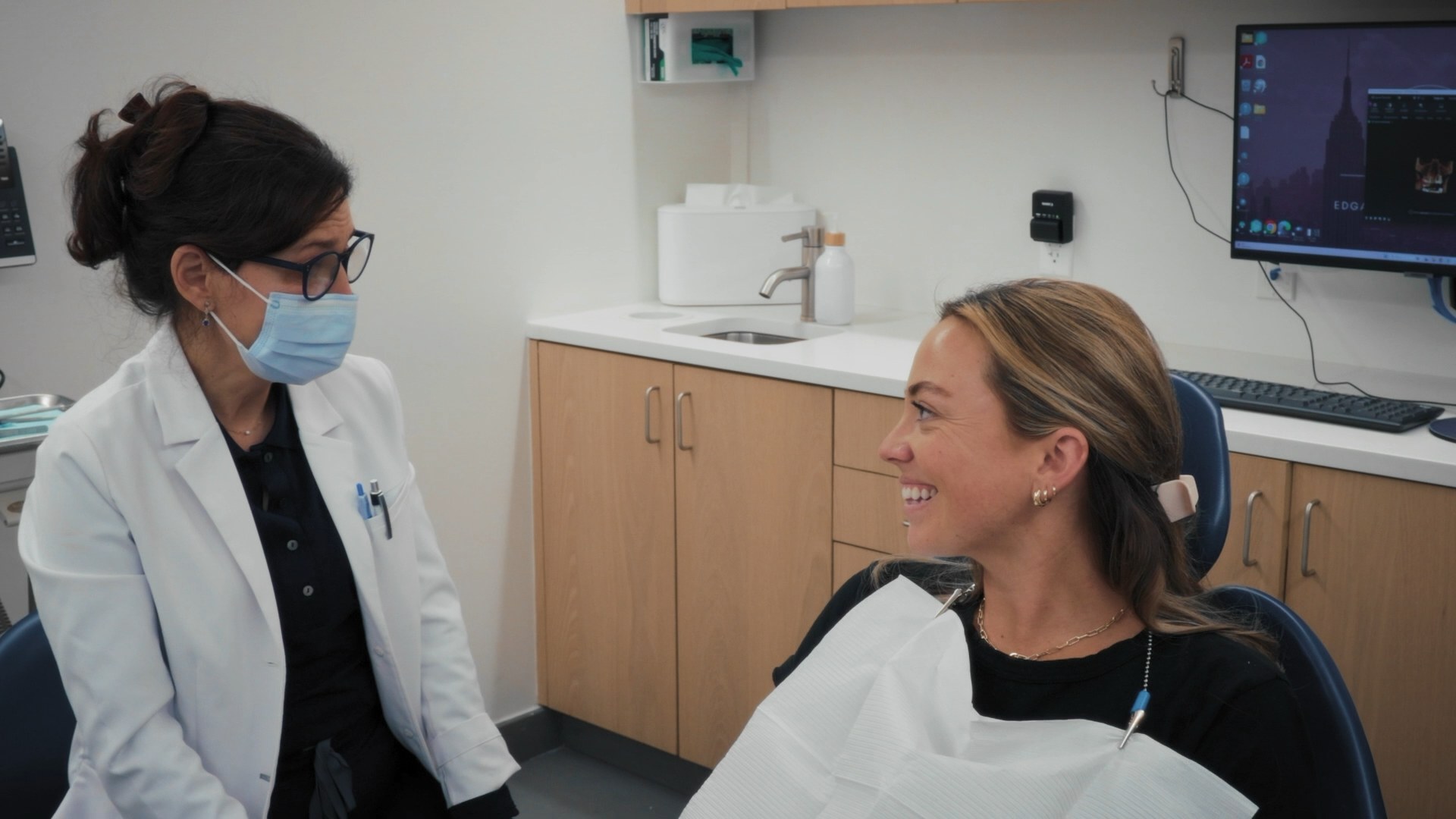
A clinician and a smiling patient in a treatment room.

Gum disease works in silence. It hides below the gumline, destroys the bone that holds your teeth, and gives you little warning until the damage is done. At Edgard El Chaar, DDS, PC, we stop it, with expert periodontal therapy that clears out infection, reduces deep pockets, and protects the smile you’ve spent a lifetime building.

What Is Periodontal Disease?

Healthy gum and bone should hug your teeth snugly like a turtleneck around your neck. When periodontal disease sets in, that grip loosens. The infection destroys the supporting tissue and bone, and the seal that protects your teeth breaks down.

Left untreated, the damage spreads. Bone disappears. Teeth loosen. And eventually, teeth that could have been saved need to come out.

It doesn’t have to reach that point. Early, expert treatment changes the outcome.

What We Do

How Gum Pockets Form and Deepen

When gum disease destroys the tissue and bone around your teeth, it leaves gaps behind. These gaps are called pockets and they're where the real trouble lives.

Here's the cycle:

  • Bacteria move inPockets create space for bacteria to gather around and below the gumline.
  • Pockets deepenAs bacteria accumulate, they advance under the gum tissue, and the pockets grow.
  • Damage acceleratesDeeper pockets hold more bacteria, which destroys more bone and tissue which deepens the pockets further.

It's a downward spiral. The deeper the pocket, the more bacteria it hides, and the more damage it does. Breaking that cycle is the whole point of periodontal therapy.


Why Pocket Reduction Is Necessary

Your periodontist measures the depth of every pocket. When those pockets get too deep, no amount of brushing, flossing, or professional cleaning can reach the bacteria inside.

That's the problem. Deep pockets are impossible to keep clean at home or in the chair. Bacteria stay protected, the infection keeps working, and the disease keeps advancing.

What the Pocket Reduction Procedure Involves

Pocket reduction goes where a toothbrush can't. The goal is simple, remove the bacteria, reduce the depth, and restore a surface your gums can reattach to.

Here's how it works:

  1. Folding Back the Gum Tissue

    Your periodontist gently folds back the gum tissue to expose the roots and the pocket beneath. This gives direct access to the infection hiding below the surface.

  2. Removing Disease-Causing Bacteria

    With the area open, we clear out the bacteria driving the disease thoroughly, right at the source.

  3. Smoothing Damaged Bone

    When the bone surface is irregular, we smooth it out. Rough, damaged bone gives bacteria places to hide. A cleaner surface leaves them nowhere to regroup and helps your gum tissue reattach to healthy bone.

    Once the area is clean, we secure the tissue back into place, setting the stage for healing.

The Benefits of Periodontal Therapy

Treating gum disease early pays off for years. Here's what pocket reduction delivers:

  • Less bacteria, less damageClearing out infection stops the progression that destroys bone and tissue.
  • Shallower pocketsReduced depth means you can finally keep the area clean at home.
  • Stronger foundationHealthy gum reattaches to healthy bone, protecting the teeth you have.
  • Better long-term healthManaging periodontal disease lowers the risk of serious health problems linked to it.
  • Your natural teeth, keptThe whole point is saving your teeth instead of losing them.

Healthy gums aren't optional. They're the foundation your entire smile stands on.

Why Ongoing Maintenance Matters

Clearing the bacteria once isn't enough. Periodontal disease comes back if you give it the chance and deep pockets make cleaning harder for you and your dental team alike.

That's why maintenance is non-negotiable. Reduced pockets, combined with two things, keep the disease at bay:

  • Daily oral hygieneConsistent brushing and flossing that finally reaches where it needs to.
  • Professional maintenance careRegular visits that catch problems early and keep bacteria in check.

Stay on top of both, and you increase your chances of keeping your natural teeth—while lowering the risk of the health problems tied to gum disease. Treatment starts the healing. Maintenance protects it.

Your Care Team

Periodontists at Edgard El Chaar

Periodontists specialize in the gum and bone that support your teeth. These are the doctors who provide this treatment here.

Each profile covers the doctor’s training, credentials and areas of focus.

View all doctors

The Practice

Why Choose Edgard El Chaar, DDS, PC

Periodontal specialists

Focused expertise in diagnosing and treating gum disease.

A precise, evidence-based approach

Treatment planned around your pockets, your bone, and your goals.

Care that saves teeth

We treat gum disease to protect your natural smile, not just patch symptoms.

A clear plan

We explain your pocket depths, your options, and your path forward before we begin.

Long-term partnership

Ongoing maintenance that keeps your results holding strong.

Common Questions

Frequently asked questions

Every mouth is different. At your consultation, we answer your questions about your own case.

Book a Consultation

Periodontal therapy is the treatment of gum disease. It clears out the bacteria destroying the tissue and bone around your teeth, reduces deep pockets, and helps your gums reattach to healthy bone. The goal is to stop the disease from progressing and protect your natural teeth.

Periodontal disease is driven by bacteria that build up around and below the gumline. As these bacteria accumulate, they destroy the supporting tissue and bone that hold your teeth in place. Over time, this forms deep pockets that trap even more bacteria—accelerating the damage.

Pockets are gaps that form between your gums and teeth when disease destroys the surrounding tissue and bone. They matter because they trap bacteria in a space you can't clean. The deeper the pocket, the more bacteria it hides—and the more damage it does to your bone and gums.

Your periodontist measures the depth of each pocket during your exam. When pockets get too deep to clean with daily brushing, flossing, and professional care, pocket reduction is recommended. We'll walk you through your measurements and explain exactly what they mean.

Your periodontist folds back the gum tissue to reach the pocket, removes the disease-causing bacteria, and smooths any irregular or damaged bone. Then the tissue is secured back into place. This clears the infection, reduces pocket depth, and helps your gums reattach to healthy bone.

We prioritize your comfort throughout the procedure. You'll be numbed during treatment, and most patients manage any post-procedure discomfort with simple care. We'll give you clear aftercare instructions so recovery goes smoothly.

Recovery is typically straightforward. Your gums need time to heal and reattach to the bone, and we'll guide you through aftercare—including how to keep the area clean while it heals. Follow the instructions, and you'll support the best possible outcome.

Yes. Periodontal disease can return if bacteria are allowed to build up again. That's why ongoing maintenance is essential. Combining daily oral hygiene with regular professional care keeps the bacteria in check and protects the results of your treatment.

Treatment clears the infection, but maintenance keeps it gone. Reduced pockets are easier to clean, and consistent home care plus professional visits stop bacteria from regrouping. Together, they increase your chances of keeping your natural teeth and lower the risk of serious health problems tied to gum disease.

The disease keeps advancing. Pockets deepen, more bone and tissue are destroyed, and your teeth lose their support. Eventually, if too much bone is lost, teeth that could have been saved will need to be extracted. Early treatment changes that outcome.

Yes. Untreated periodontal disease is associated with serious health problems beyond your mouth. Reducing pocket depth, eliminating bacteria, and maintaining healthy gums helps protect both your smile and your overall health.

Start with a consultation. We'll examine your gums, measure your pocket depths, and explain your options clearly. From there, we'll build a treatment plan that stops the damage and protects your smile for the long term.

Appointments

Take the First Step Toward Healthier Gums

Deep pockets and gum disease don't heal on their own, but they respond to expert care. Book a consultation and let us measure your pockets, explain your options, and build a plan that stops the damage and protects your smile.

Periodontal TherapyEdgard El Chaar, DDS, PC Book a Consultation