
HomeOur ServicesSurgical Periodontal Therapy

Surgical Periodontal Therapy in NYC to Treat Advanced Gum Disease and Save Your Teeth

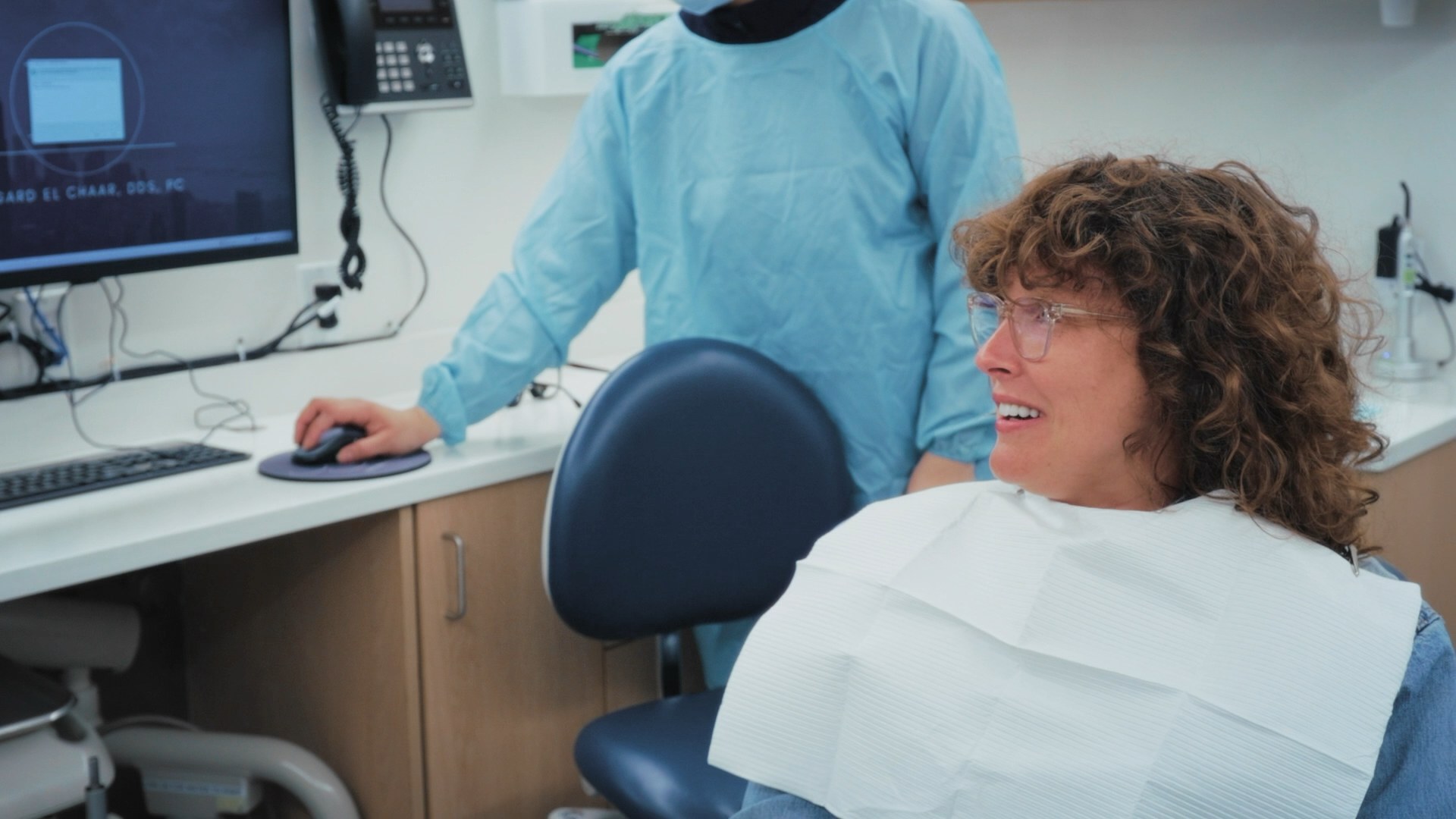
A patient smiling beside a gowned clinician.

When gum disease runs deep, a cleaning isn’t enough. Advanced periodontal disease hides bacteria in pockets no toothbrush or scaler can reach and it keeps destroying the bone that holds your teeth in place. Surgical periodontal therapy fixes that. At Edgard El Chaar, DDS, PC, we open, clean, and repair the areas gum disease has damaged, so your gums heal and your teeth stay put.

What Is Surgical Periodontal Therapy?

Surgical periodontal therapy treats gum disease that has advanced beyond what deep cleaning can handle. When pockets grow too deep and bacteria burrow too far below the gumline, surgery gives us direct access to clean and repair what non-surgical treatment can’t reach.

The approach is straightforward. We fold back the gum tissue, clear out the disease-causing bacteria, treat any damaged bone, and secure the gums back into a healthier position. The goal is to shrink the pockets, stop the destruction, and give your gums a fighting chance to heal.

Here’s why some cases reach this point.

What We Do

Why You Might Need Periodontal Surgery

Gum disease progresses in stages. Caught early, it often responds to scaling and root planing. But when it advances, the pockets deepen and the bacteria dig in, out of reach of even the most thorough non-surgical cleaning.

Your periodontist may recommend surgery when:

  • Deep pockets remainPockets too deep to clean or keep clean, even after non-surgical treatment.
  • Non-surgical treatment wasn't enoughScaling and root planing didn't fully resolve the disease.
  • Bone has been damagedGum disease has destroyed the bone supporting your teeth.
  • Bacteria are trapped below the gumlineInfection sits where instruments can't reach without access.

Left untreated, deep pockets keep collecting bacteria, the bone keeps disappearing, and your teeth lose their support. Surgery interrupts that cycle before it costs you your teeth.


How Surgical Periodontal Therapy Works

Periodontal surgery is precise, careful work and we treat it that way. Each step targets the infection, repairs the damage, and sets your gums up to heal in a healthier position.

Here's how it unfolds.

  1. Numbing and Access

    We start by numbing the area for your comfort. Then we gently fold back a section of gum tissue to expose the tooth roots and the bone beneath, giving us direct access to the infection hiding below the surface.

  2. Removing Disease-Causing Bacteria

    With the area open, we thoroughly clean the exposed root surfaces and clear out the bacteria and diseased tissue driving the disease. This removes the source of the infection right where it lives.

  3. Repairing the Damage

    Depending on your case, we treat what the disease left behind. That may include smoothing damaged bone, reshaping the tissue, or—when bone has been lost—adding regenerative materials to rebuild the support your teeth need.

  4. Securing the Gums

    Finally, we reposition the gum tissue and secure it back into place, often snug against the tooth to reduce the pocket depth. As the area heals, your gums settle into a healthier, easier-to-clean position.

Ready to stop advanced gum disease?

Book a Consultation

Types of Surgical Periodontal Treatment

Not every case calls for the same procedure. We match the technique to the damage, your pocket depth, your bone loss, and your goals.

  1. Pocket Reduction Surgery

    When pockets stay too deep to clean, we fold back the gums, remove the bacteria, and secure the tissue to reduce the pocket depth. Shallower pockets are easier for you to keep clean and harder for bacteria to hide in.

  2. Regenerative Surgery

    When gum disease has destroyed bone, we add regenerative materials, membranes, bone grafts, or tissue-stimulating proteins, to encourage your body to regrow lost bone and tissue. This repairs the foundation, not just the surface.

  3. Crown Lengthening

    Sometimes we expose more tooth structure by removing gum tissue and reshaping the bone. This helps restore teeth affected by disease and creates a healthier, more manageable gumline.

    We choose the right approach after examining exactly what the disease has done.

The Benefits of Surgical Periodontal Therapy

Surgery does more than clean out infection. It repairs the damage and gives you a foundation you can maintain for years.

  • Reach hidden infectionDirect access clears bacteria that non-surgical treatment can't touch.
  • Reduce pocket depthShallower pockets are easier to clean and less friendly to bacteria.
  • Repair damaged boneRegenerative techniques rebuild the support gum disease destroyed.
  • Stop the progressionRemoving the bacteria halts the ongoing destruction.
  • Keep your natural teethRestored support increases your chances of holding onto the teeth you have.
  • Protect your overall healthControlling gum disease lowers the risk of the serious health problems tied to it.

Healthy gums and bone are the foundation your whole smile stands on.

Who Surgical Periodontal Therapy Is For

Periodontal surgery is the right call when gum disease has advanced past what cleaning alone can fix. You may be a candidate if you're dealing with:

  • Deep periodontal pocketsPockets that stay too deep after non-surgical treatment.
  • Persistent gum diseaseInfection that scaling and root planing didn't fully resolve.
  • Bone loss around your teethDamage to the bone that supports your teeth.
  • Loose teethTeeth that have started to shift or feel unstable.
  • Ongoing symptomsBleeding gums, recession, bad breath, or gum swelling that won't quit.

If any of these sound familiar, don't wait. The earlier we treat advanced disease, the more of your smile we can save.

Why Ongoing Maintenance Matters

Surgery clears the infection and repairs the damage, but it's not the finish line. Gum disease comes back if you give it the chance, and protecting your results takes consistent care.

That's why maintenance is essential. Pair your surgical results with two things and you keep the disease in check:

  • Daily oral hygieneConsistent brushing and flossing that protects the areas we treated.
  • Professional maintenance careRegular visits that catch problems early and keep bacteria under control.

Stay on top of both, and you protect the work we did while lowering the risk of the health problems linked to gum disease. Surgery repairs the damage. Maintenance protects the repair.

Your Care Team

Periodontists at Edgard El Chaar

Periodontists specialize in the gum and bone that support your teeth. These are the doctors who provide this treatment here.

Each profile covers the doctor’s training, credentials and areas of focus.

View all doctors

The Practice

Why Choose Edgard El Chaar, DDS, PC

Periodontal specialists

Focused expertise in diagnosing and surgically treating advanced gum disease.

A full range of procedures

Pocket reduction, regenerative surgery, and crown lengthening under one team.

A tooth-saving focus

We treat the disease to preserve your natural teeth, not just manage symptoms.

A comfort-first approach

We prioritize your comfort throughout every step of treatment.

A clear plan

We explain your disease, your options, and your path forward before we begin.

Long-term partnership

Re-evaluation and maintenance that keep your results holding strong.

Common Questions

Frequently asked questions

Every mouth is different. At your consultation, we answer your questions about your own case.

Book a Consultation

Surgical periodontal therapy treats advanced gum disease that deep cleaning can't fully resolve. We fold back the gum tissue to access the areas below the gumline, clear out the disease-causing bacteria, repair any damaged bone, and secure the gums into a healthier position. The goal is to reduce pocket depth, stop the destruction, and help you keep your natural teeth.

Deep cleaning—scaling and root planing—works well for earlier gum disease. But when pockets grow too deep, bacteria settle where instruments can't reach without direct access. Surgery is recommended when non-surgical treatment hasn't fully resolved the disease, when pockets stay too deep to clean, or when the bone supporting your teeth has been damaged.

We numb the area for your comfort, then gently fold back the gum tissue to expose the tooth roots and bone. Next, we thoroughly clean out the bacteria and diseased tissue. Depending on your case, we may smooth damaged bone or add regenerative materials to rebuild lost support. Finally, we reposition the gum tissue and secure it in place to reduce pocket depth.

There are a few main approaches, chosen based on your situation. Pocket reduction surgery folds back the gums to clean deep pockets and reduce their depth. Regenerative surgery adds membranes, bone grafts, or tissue-stimulating proteins to regrow lost bone. Crown lengthening removes tissue and reshapes bone to expose more tooth structure. We match the technique to your specific damage.

We prioritize your comfort throughout the procedure. The area is numbed during surgery, and most patients manage any discomfort afterward with simple care. We'll give you clear aftercare instructions so healing goes smoothly. Many patients find the recovery more manageable than they expected.

Recovery is typically straightforward. Your gums need time to heal and settle into their new position, and we'll guide you through aftercare—including how to keep the area clean and comfortable. Most patients return to normal activities quickly, and we'll schedule follow-ups to check your healing and progress.

Often, yes. Loose teeth usually mean gum disease has destroyed the bone that supports them. By clearing the infection and, when needed, regenerating lost bone, surgery can restore support and stabilize teeth that were at risk. The earlier you treat it, the better your chances of keeping those teeth.

Surgery clears the infection and repairs the damage, but gum disease can return if bacteria build back up. That's why ongoing maintenance is essential. Combining daily oral hygiene with regular professional care keeps bacteria in check and protects the results of your surgery for the long term.

The disease keeps advancing. Pockets deepen, more bone is destroyed, and your teeth lose their support—until teeth that could have been saved may need to be extracted. Untreated gum disease is also linked to serious overall health problems. Treating it early with surgery gives you the best chance of keeping your teeth and protecting your health.

Warning signs include gums that bleed easily, persistent bad breath, gum recession, swelling, and teeth that feel loose or have shifted. Deep pockets found during a dental exam are another key indicator. If you have these signs—especially after a deep cleaning that didn't fully help—an evaluation can tell you whether surgery is needed.

For patients with advanced gum disease, yes. Surgery reaches infection that cleaning can't, reduces pocket depth, repairs damaged bone, and greatly improves your chances of keeping your natural teeth. It also helps control a disease linked to broader health risks. For most patients facing tooth loss, it's a worthwhile investment in a lasting solution.

Start with a consultation. We'll examine your gums, measure your pocket depths, evaluate any bone loss, and explain your options clearly. From there, we'll build a treatment plan that stops the disease and protects your natural teeth—so you know exactly what to expect before we begin.

Appointments

Take the First Step Toward Healthier Gums

Advanced gum disease won't reverse on its own, but it responds to expert surgical care. Book a consultation and let us examine your gums, evaluate the damage, and build a plan that stops the disease and protects your natural teeth.

Surgical Periodontal TherapyEdgard El Chaar, DDS, PC Book a Consultation